
Mold Inspections in Philadelphia & Surrounding Areas
Mold & Biological Contamination Services in Philadelphia & Beyond
Maintaining a healthy indoor environment is important in workplaces, buildings, and homes. In order to maintain the health of your environment, you will need to minimize the amount of biological contamination. Biological contaminants in workplaces include bacteria, mold, mildew, fungi, viruses, dust mites, pollen, spores, insect frass, and rodent dander. In homes, pets contribute to indoor contaminants with their dander and other biological excretions.
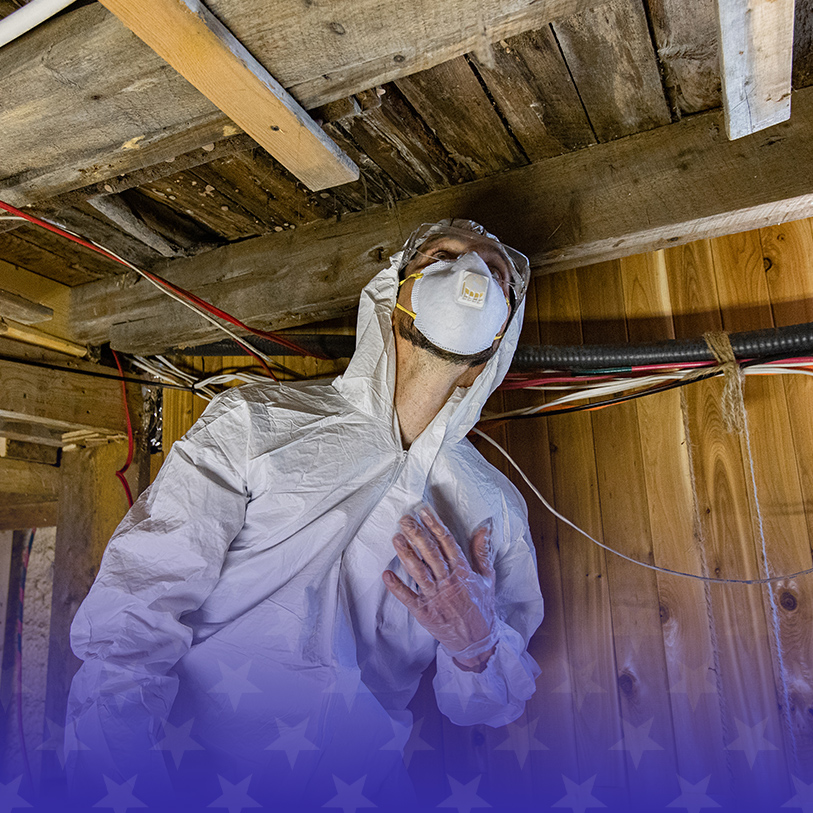
At Eagle Industrial Hygiene in Philadelphia, we understand the significance of a healthy indoor environment, and that's why we offer comprehensive moisture and mold inspection services. Mold is a common issue that can adversely affect indoor air quality and pose potential health risks, which is why it's important to seek out mold removal when you notice it.
Our experienced professionals utilize advanced techniques and equipment to identify and assess mold growth, ensuring early detection and prompt remediation. By addressing mold-related concerns, we strive to create a safer and healthier environment for workplaces, buildings, and homes alike. With our mold inspection services, you can have peace of mind knowing that your indoor space is free from harmful bioaerosols and conducive to optimal well-being.
In need of a mold inspection in Philadelphia? Contact us today online or at (215) 268-7347. While we can't remove it, we can refer you to a reputable mold removal company in your area.
Why Is a Mold Inspection Important?
- Health Concerns: Mold can cause respiratory issues and allergies, especially for those with preexisting conditions.
- Property Damage: Mold can weaken materials and lead to costly repairs if not addressed early.
- Early Detection: Identifies mold before it becomes a bigger problem, allowing for timely and cost-effective remediation.
- Odor Issues: Helps locate and address musty odors, improving indoor air quality.
- Insurance and Legal Reasons: Important for property transactions and insurance claims, potentially affecting value and disputes.
- Prevention: Helps identify moisture problems that could lead to mold growth, preventing future issues.
Common Bioaerosols and Their Sources
- Pollens originating from plants
- Viruses transmitted by people and animals
- Bacteria carried by people, animals, soil, and plant debris
- Bacteria and fungus growing in air conditioning equipment, humidifier reservoirs, dehumidifier drip pans, toilets, ice machines, showerheads, plumbing traps/drains, water-damaged building materials, and crawlspaces
- Dust mites (one of the most powerful biological allergens) living in carpets, bedding, and upholstered furniture
- Animal dander and excretions (i.e., saliva, urine, feces) introduced by household pets
All of these aerosols can be easily transported and circulated by building or home ventilation systems. Additionally, ductwork and air handling systems can easily become breeding grounds and distribution pathways for bacteria, mold, fungi, mildew, and other biological contaminants.
Mold and mildew originate from spores, which exist in the air around you. Under the right conditions, spores settle and form colonies. The right conditions are moisture, warmth, and a source of nutrition (such as wood or paper). The classic example is cardboard boxes, books, or wood stored in a damp basement.
Mold removal is incredibly important, especially because of wet, humid, hot weather. Eliminating moisture sources and reducing humidity are the primary methods used to control mold. Water-damaged materials, wet surfaces, or standing water serve as breeding grounds for molds, mildews, bacteria, and insects. In the event of flooding or water intrusion, quick drying or disposal of all “food source” materials are important.
How To Prevent Mold Formation
- Identify and correct moisture problems or water leaks
- Store materials in sealed moisture-resistant containers (i.e., sealed plastic storage containers)
- Elevate all storage and containers to prevent direct contact with concrete floors
- Maintain relative humidity below 60%
- Clean small areas (a few square feet) by scrubbing non-porous surfaces with either detergent and water or a diluted 10% bleach & 90% water solution
- Dispose of porous mold-contaminated materials, such as carpet, drywall, and wood
- Routinely inspect heating and cooling system ductwork for dirt, signs of mold/mildew, loose insulation, leaks, and signs of condensation
- Change air filters on a regular basis (quarterly or as indicated by the system manufacturer)
If you continue to have mold problems, consult an indoor air quality professional for indoor air quality testing and remediation.
Contact Eagle Industrial Hygiene to discuss your assessment and remediation needs.

Why Choose Eagle Industrial Hygiene Associates?
-
Wide Range of Experience From Inspections to Large-Scale Assessments
-
Serving the Community & Thousands of Customers Since 1986
-
Staff with Experienced Industrial Hygienists & Technicians
-
Qualified Member of ISNetworld Global Contractor and Supplier Management